Blog

  • FOOD FORTIFICATION

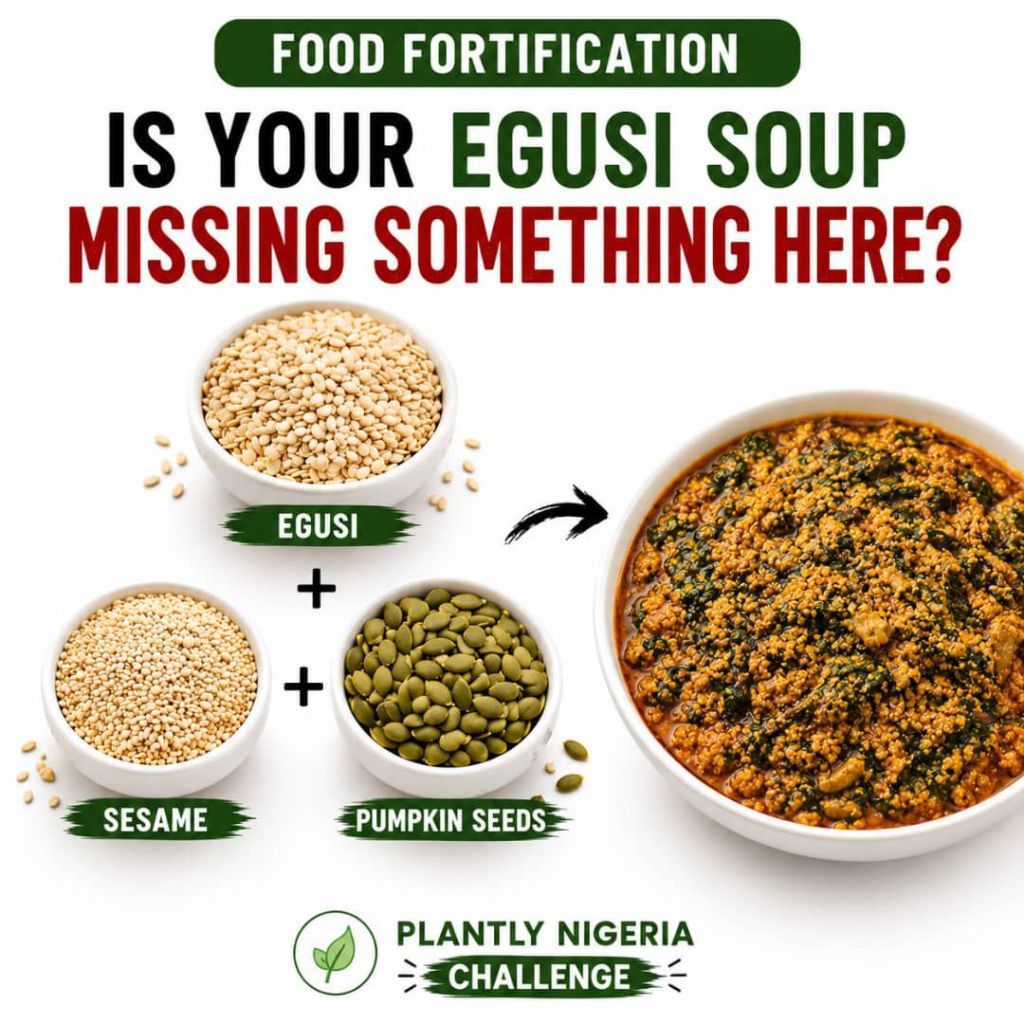
    Image By The Vegan Journey Advocacy

    Fortifying Your Egusi Soup: Three Powerful Ingredients Every Vegan Should Know

    Egusi soup is more than a delicious traditional meal, it can be a nutritional powerhouse when prepared intentionally. For many vegans, this is one traditional meal worth making a regular part of the menu.
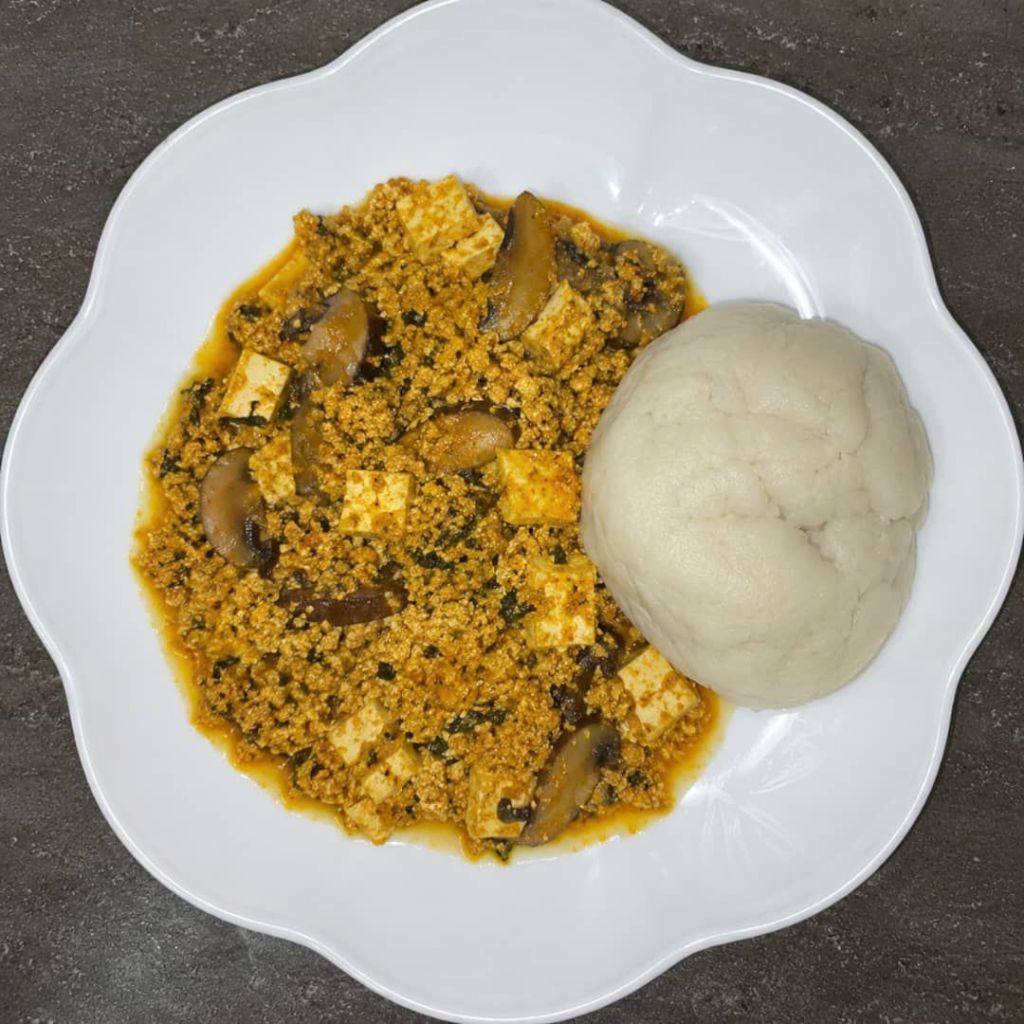
    🌰 Egusi (Melon Seeds)
    Naturally rich in plant protein, healthy unsaturated fats, vitamin E, magnesium, phosphorus, and zinc, egusi provides a solid nutritional foundation and helps support muscle health, energy production, and overall wellbeing. When paired with sesame seeds can actually increase the nutritional value of the soup.

    🌱 Sesame Seeds (Beniseed)
    Sesame seeds are one of the richest whole-food sources of calcium. They’re also packed with healthy fats, protein, iron, magnesium, zinc, copper, and vitamin B1 (thiamine). Adding them to egusi soup is an easy way to boost calcium intake while increasing the soup’s overall nutrient density. When paired with egusi or pumpkin seeds can make a rich nutrient densed egusi soup.

    🎃 Pumpkin Seeds
    Pumpkin seeds are rich in protein, magnesium, iron, zinc, healthy fats, and antioxidants. They can be used on their own to prepare the soup or combined with sesame seeds for an even more nutrient-packed meal with extra calcium.

    🍃 Don’t Forget the Leaves!
    Whether you choose ugu (pumpkin leaves), moringa leaves, or waterleaf, you’re adding valuable nutrients. Moringa is especially rich in vitamin A, vitamin C, calcium, iron, and antioxidants, making it an excellent fortification option.

    Now do the math:

    Protein + healthy fats + calcium + iron + magnesium + zinc + vitamins + antioxidants… all in one traditional soup.

    That’s the beauty of food fortification. By combining nutrient-rich whole foods, you’re not just making your soup tastier you’re helping yourself get closer to meeting your daily nutritional needs with every meal.

    Sometimes, the healthiest meals aren’t new inventions they’re our traditional foods, prepared more intentionally.
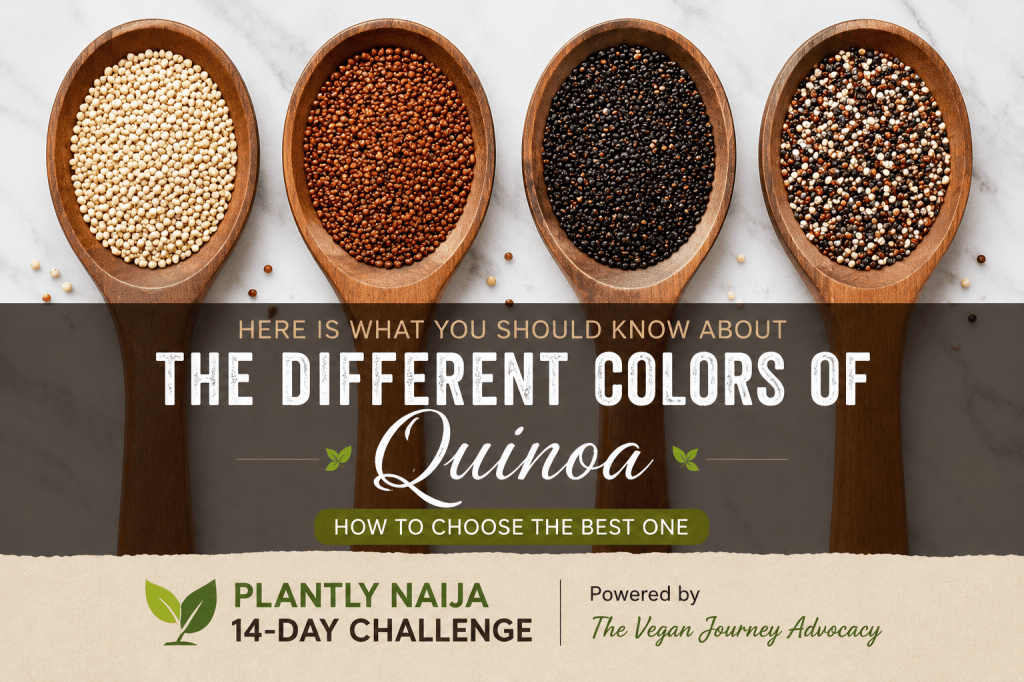
  • Know Your Quinoa: A Guide to White, Red & Black Quinoa

    Did you know quinoa comes in different colours?

    Image By The Vegan journey Advocacy

    Although all quinoa varieties are highly nutritious, each has its own unique flavour, texture, and cooking characteristics.

    Here’s what you should know before choosing one.

    🟡 White Quinoa

    The most common variety.

    • Mild, delicate flavour
    • Soft, fluffy texture
    • Cooks the fastest (about 12–15 minutes)
    • Perfect as a substitute for white rice

    Best for: Everyday meals, curries, stir-fries, and rice dishes.

    🔴 Red Quinoa

    Red quinoa has a richer, nuttier flavour.

    • Slightly chewy texture
    • Holds its shape after cooking
    • Great for meal prep

    Best for: Salads, grain bowls, and side dishes.

    ⚫ Black Quinoa

    Black quinoa has the boldest flavour.

    • Earthy with a slight sweetness
    • Firm, slightly crunchy texture
    • Naturally rich in antioxidants

    Best for: Grain salads and recipes where you want extra texture.

    🌈 Other Colours

    Depending on the variety, quinoa may also be found in shades of purple, yellow, orange, and pink, although these are less common.

    Which One Should You Choose?

    There isn’t a “best” quinoa.

    • Choose white quinoa if you want something closest to rice.
    • Choose red quinoa if you like a firmer texture.
    • Choose black quinoa if you enjoy a richer flavour and a little crunch.

    Whichever you choose, you’ll be adding a nutritious whole food to your diet.

    At The Vegan Journey and the Plantly Naija 14-Day Challenge, we encourage Nigerians to discover the amazing variety that whole plant foods have to offer.

  • Why Are More Nigerians Choosing Quinoa Instead of White Rice?

    As more Nigerians become aware of the importance of healthy eating, many are looking beyond white rice and discovering quinoa a nutrient-rich food that offers several health benefits.https://veganjourneyadvocacy.wordpress.com/2026/06/26/what-is-quinoa-a-nutritious-alternative-to-rice-for-better-health

    Here are five reasons why quinoa is becoming a popular choice.

    🌾 1. Higher in Protein

    Quinoa contains significantly more protein than white rice, making it more filling and an excellent option for plant-based diets.

    🌾 2. Rich in Fibre

    Quinoa provides more dietary fibre, which supports healthy digestion, promotes fullness, and helps maintain healthy blood sugar levels.

    🌾 3. Better for Blood Sugar Management

    Quinoa has a lower glycaemic index than white rice, meaning it generally causes a slower rise in blood sugar after meals.

    🌾 4. Packed with Essential Nutrients

    Quinoa is rich in magnesium, iron, phosphorus, manganese, and several B vitamins that support overall health.

    🌾 5. Naturally Gluten-Free

    Because quinoa is naturally gluten-free, it is suitable for people with gluten intolerance or coeliac disease.

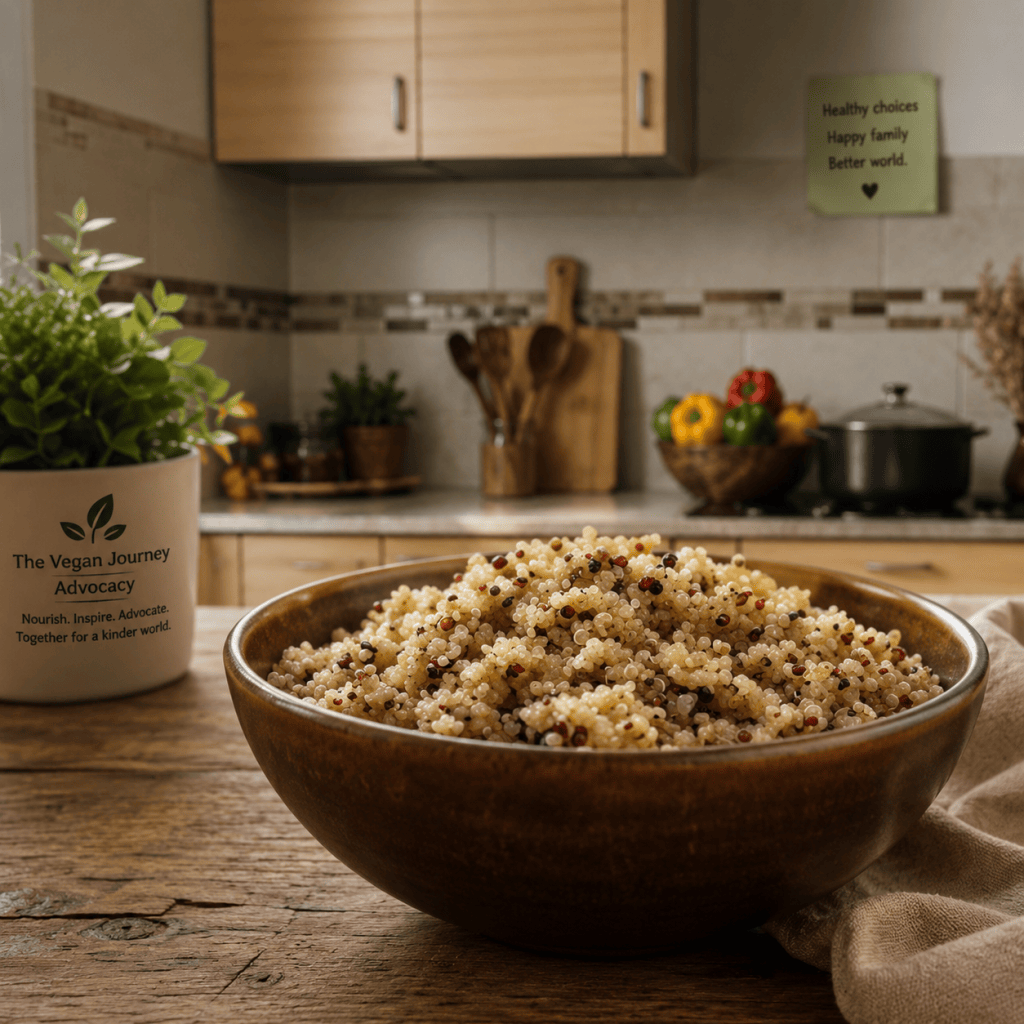
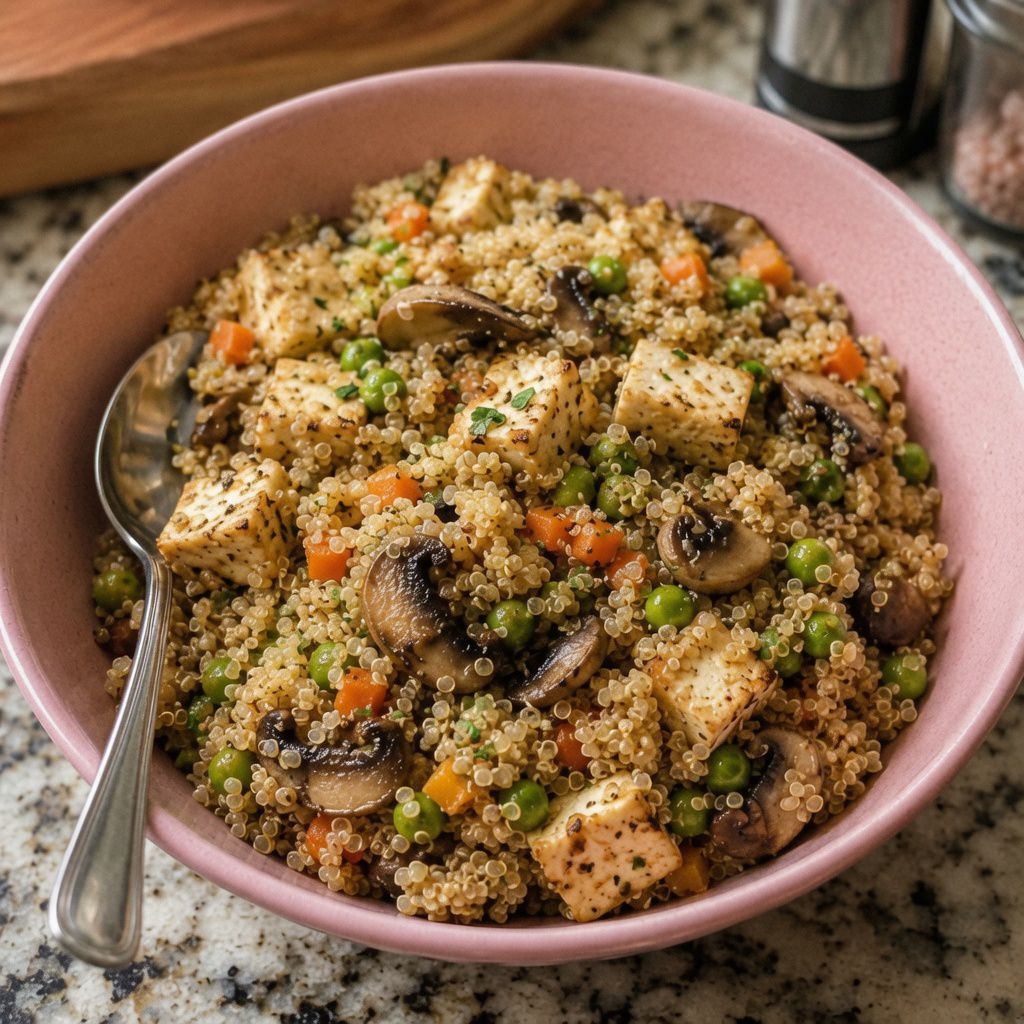
    Bowl Of Quinoa (The Vegan Journey Advocacy)

    Does This Mean You Should Stop Eating Rice?

    Not at all.

    Rice can still be part of a healthy, balanced diet. However, replacing some rice meals with quinoa is a simple way to enjoy more protein, fibre, and important nutrients while adding variety to your meals.

    Healthy eating isn’t about eliminating foods, it is about making informed choices.

    Small changes can make a big difference.

  • What Is Quinoa? A Nutritious Alternative to Rice for Better Health

    Rice is one of the most popular staple foods in Nigeria. It is affordable, filling, easy to prepare, and enjoyed in countless dishes from jollof rice and fried rice to coconut rice and white rice with stew.

    A bowl of cooked quinoa

    However, as the number of people living with diabetes and other lifestyle-related diseases continues to rise, many Nigerians are looking for healthier alternatives that provide better nutrition while helping support healthy blood sugar levels.

    One food that has gained worldwide attention is quinoa (pronounced keen-wah).

    What Is Quinoa?

    Quinoa is an ancient seed that is cooked and eaten like a grain. It has been cultivated for thousands of years in South America and is naturally gluten-free.

    Although it looks similar to grains such as rice, quinoa is actually a seed packed with nutrients.

    Unlike white rice, quinoa contains more protein, more fibre, and a wider range of vitamins and minerals. It is also considered a complete protein, meaning it contains all nine essential amino acids that our bodies need but cannot produce on their own.

    This makes quinoa an excellent food for vegans, vegetarians, and anyone looking to eat a healthier diet.

    Fact

    Healthy eating isn’t about following trends it’s about making informed choices. Quinoa is a simple way to diversify your meals while increasing your intake of protein, fibre, and essential nutrients.

    At The Vegan Journey and the Plantly Naija 14-Day Challenge, we encourage everyone to explore wholesome, plant-based foods that nourish both people and the planet one meal at a time. And yes food fortification is very important for a proper plant based diet.

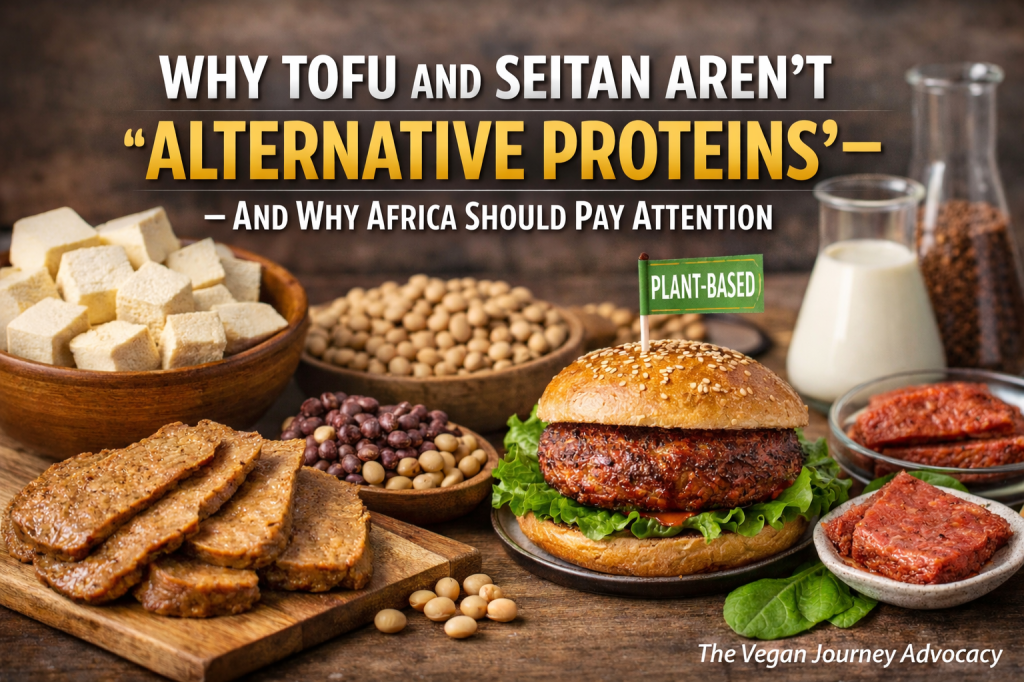
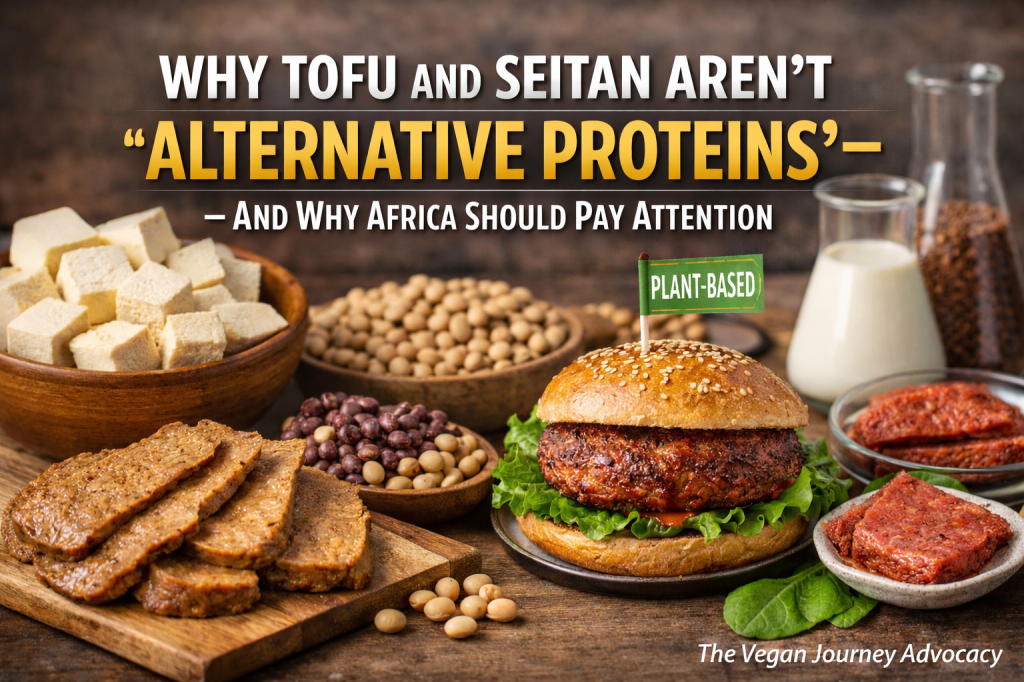
  • Why Tofu and Seitan Aren’t Alternative Proteins And Why Africa Should Pay Attention

    The vegan journey advocacy

    I’ll be honest.
    When I first heard that tofu and seitan aren’t classified as alternative proteins, I paused. ( like What???)

    As a vegan advocate, those foods are staples. They’re affordable. they’re protein rich. They replace meat on my plates every day.
    So why the resistance to calling them alternative proteins?

    So here’s what I’ve come to understand.
    Research and industry knowledge show that alternative protein isn’t just a plant-based label.
    It refers to proteins intentionally developed to replace conventional animal agriculture at scale  through food technology, fermentation, extrusion, and cultivated meat.
    Companies like Beyond Meat aren’t just selling plant protein. They’re engineering products to compete directly with beef in mainstream markets.

    Tofu and seitan?
    They weren’t created to disrupt livestock systems. They are traditional foods with their own identity.
    And this is where Africa enters the conversation.

    If we think alternative protein simply means anything plant-based, we might miss the bigger opportunity.

    Globally, the term is tied to : Investment
    • Research funding
    • Policy influence
    • Large-scale food and
    system transformation

    The real question for us is not whether tofu qualifies.
    It’s this:
    Will Africa only consume alternative protein innovation or are we going to build it?

    We have soy.
    We have legumes.
    We have indigenous crops with serious protein potential.

    But are we positioning them within the innovation and scalability conversation?

    This debate isn’t about semantics.

    It’s about whether Africa shows up as a market or as a leader.

    The vegan journey advocacy

  • B12 Made Simple: How Vegans Can Stay Energized

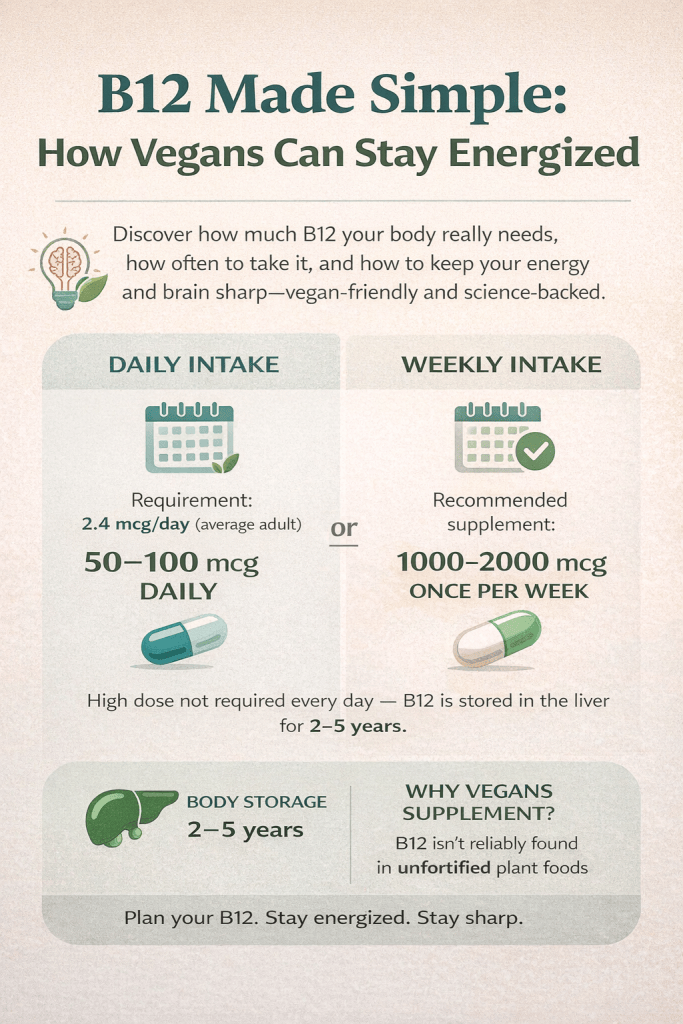
    Discover how much B12 your body really needs, how often to take it, and how to keep your energy and brain sharp vegan, friendly and science backed.

    I haven’t taken B12 in about two months and I started overthinking every small symptom .
    That moment reminded me why B12 awareness is important  especially for vegans.
    The truth is: Our bodies store B12 for 2–5 years. Deficiency doesn’t happen overnight.
    But prevention is smarter than panic.
    As a vegan adult, you only need: ✔️ 50–100 mcg daily
    OR
    ✔️ 1000 mcg once weekly
    That’s it.
    The actual daily requirement is just 2.4 mcg  but we supplement higher because absorption isn’t 100%.
    B12 isn’t made by animals. It’s made by bacteria.
    Even farm animals are supplemented.
    Veganism isn’t deficient.
    We just supplement directly instead of secondhand.
    Sustainability means planning  not guessing.”

    Your b12 guide by- The Vegan Journey Advocacy
  • VEGAN JOURNEY ADVOCACY CHAMPIONS COMPASSION WITH NEW VEGAN COURSE IN SCHOOL CURRICULUM

    In a significant step toward value-based education, The Vegan Journey Advocacy has officially partnered with Brotherhood Model College, Calabar, to launch a groundbreaking educational initiative aimed at integrating vegan education into the school curriculum tagged The Vegan Climate School Program.

    This program seeks to enlighten students on the principles of compassion towards animals, responsibility, and informed decision-making among young learners, shaping a generation that values kindness, sustainability, health and the global impact of conscious dietary choices as it affects the environment.

    The formal partnership was reached during a meeting held today Wednesday 24th September, 2025 with the management of the college, where the Founder of The Vegan Journey Advocacy, Mrs. Joy Mong, presented the vision and structure of the initiative. Following a productive dialogue, both parties agreed on full collaboration, with the school with deep commitment and support for the program.

    In her response during the meeting, the school Principal Tari Pujeh expressed strong enthusiasm, noting that the program aligns with the mission of Brotherhood Model College; to nurture responsible, empathetic, and informed students.

    In her words “this partnership reflects our commitment to progressive, holistic education that prepares our learners not only for exams, but for life She stressed.

    Through interactive lessons, workshops, and real-life activities, the program will encourage students to think critically about food systems, health, and their role in creating a sustainable future.

    The noble initiative will place Calabar town as a model city for compassionate education, it is the first of its kind in Nigeria.

    End

    Right, Joy Eyesan – Founder Vegan Journey and left Tari Pujeh – Principal, Brotherhood Model College Calabar.
  • THE VEGAN JOURNEY ADVOCACY PRESENTS: THE VEGAN CLIMATE SCHOOL INITIATIVE

    Would you like The Vegan Journey  Advocacy to visit your school and educate your students on plant-based living and climate change awareness?
    Here’s what your school and students stand to gain! 

    ✨ For Schools:
    ✅ Recognition as a Climate-Conscious Institution
    ✅ Partnership opportunities with Vegan Journey for eco-friendly school programs
    ✅ Access to educational resources on sustainable living and nutrition
    ✅ Positive publicity and inclusion in our Vegan Climate School Network

     For Students:
    ✅ Fun, interactive sessions on healthy plant-based diets
    ✅ Knowledge on how food choices affect the planet
    ✅ Inspiration to become young climate champions
    ✅ Improved understanding of nutrition, health, and environmental responsibility

    Together, we can raise a new generation of eco-smart learners who value both their health and the Earth! 

     Contact Vegan Journey today on +234 907 692 5975 to partner with us to bring this exciting learning experience to your schools or schools around you.

Is this your new site? Log in to activate admin features and dismiss this message
Log In